80+ Basic Chinese Words with English Meanings
 Pallavi SaxenaNov 6, 2026734 views18 min read
Learning Basic Chinese Words is easier if you group words into categories you know. Start by learning pronouns, verbs, numbers, family terms, food and everyday items. For each word you learn, find out how it is pronounced (Pinyin) and write a sample sentence for it. When you use this method, you can learn how Mandarin vocabulary is used in conversation rather than simply memorising individual words.

80+ Basic Chinese Words with English Meanings
1. Basic Chinese Pronouns
Pronouns allow us to identify ourselves, refer to other individuals, and create simple sentences. Let’s begin using the most common pronouns in Mandarin and practice using them in brief sentences.
| Chinese | Pinyin | English Meaning |
| 你好 | Nǐ hǎo | Hello |
| 您好 | Nín hǎo | Hello (polite) |
| 谢谢 | Xièxie | Thank you |
| 不客气 | Bú kèqi | You’re welcome |
| 再见 | Zàijiàn | Goodbye |
| 早上好 | Zǎoshang hǎo | Good morning |
| 对不起 | Duìbuqǐ | Sorry |
| 请 | Qǐng | Please |
2. Most Common Verbs Used in Chinese
The most fundamental part of every day sentence structure is the verb, which describes an action. Use the following list of common verbs to explain how you eat, drink, study, work, travel, and communicate.
| Chinese Word | Pinyin | English Meaning | Example Sentence |
| 是 | Shì | To be | 我是老师。 (I am a teacher.) |
| 有 | Yǒu | To have | 我有一本书。 (I have a book.) |
| 吃 | Chī | To eat | 我吃米饭。 (I eat rice.) |
| 喝 | Hē | To drink | 我喝水。 (I drink water.) |
| 去 | Qù | To go | 我去学校。 (I go to school.) |
| 来 | Lái | To come | 请进来。 (Please come in.) |
| 看 | Kàn | To see / Watch | 我看电视。 (I watch television.) |
| 听 | Tīng | To listen | 我听音乐。 (I listen to music.) |
| 说 | Shuō | To speak / Say | 我说中文。 (I speak Chinese.) |
| 学习 | Xuéxí | To study / Learn | 我学习中文。 (I study Chinese.) |
| 工作 | Gōngzuò | To work | 我在公司工作。 (I work at a company.) |
| 读 | Dú | To read | 我读中文书。 (I read Chinese books.) |
| 写 | Xiě | To write | 我写汉字。 (I write Chinese characters.) |
| 买 | Mǎi | To buy | 我要买水果。 (I want to buy fruit.) |
| 喜欢 | Xǐhuan | To like | 我喜欢音乐。 (I like music.) |
3. Chinese Numbers and Counting Words
Numbers can be used to describe prices, dates, ages, times, amounts, and how people will get where they need to go. Practice saying the numbers one through ten before practising using them with counting words.
| Chinese Number | Pinyin | English Meaning | Example Sentence |
| 一 | Yī | One | 我有一个苹果。 (I have one apple.) |
| 二 | Èr | Two | 我有两个朋友。 (I have two friends.) |
| 三 | Sān | Three | 我买了三个苹果。 (I bought three apples.) |
| 四 | Sì | Four | 我们四个人。 (There are four of us.) |
| 五 | Wǔ | Five | 现在五点。 (It is five o’clock.) |
| 六 | Liù | Six | 我有六本书。 (I have six books.) |
| 七 | Qī | Seven | 今天是七号。 (Today is the seventh.) |
| 八 | Bā | Eight | 我八点起床。 (I wake up at eight.) |
| 九 | Jiǔ | Nine | 他九岁。 (He is nine years old.) |
| 十 | Shí | Ten | 我有十元。 (I have ten yuan.) |
| 个 | Gè | General measure word | 我有三个苹果。 (I have three apples.) |
| 本 | Běn | Measure word for books | 我有两本书。 (I have two books.) |
Learning tip: In Mandarin, measure words are used after numbers and before most types of nouns. An example of this is three apples (sān ge píngguǒ). Therefore, when studying numbers in Mandarin, you should also learn some of the most frequently used measure words.
4. Chinese Family and Relationship Words
Use the family vocabulary to describe your family members and others who are significant to you. Practice using this chinese vocabulary to write short, simple descriptions of your family using Mandarin Chinese.
| Chinese Word | Pinyin | English Meaning | Example Sentence |
| 家 | Jiā | Home / Family | 我在家。 (I am at home.) |
| 家人 | Jiārén | Family members | 我爱我的家人。 (I love my family.) |
| 爸爸 | Bàba | Father / Dad | 我爸爸在家。 (My father is at home.) |
| 妈妈 | Māma | Mother / Mom | 我妈妈很好。 (My mother is well.) |
| 哥哥 | Gēge | Older brother | 我哥哥在北京。 (My older brother is in Beijing.) |
| 弟弟 | Dìdi | Younger brother | 我弟弟是学生。 (My younger brother is a student.) |
| 姐姐 | Jiějie | Older sister | 我姐姐会说中文。 (My older sister can speak Chinese.) |
| 妹妹 | Mèimei | Younger sister | 我妹妹喜欢音乐。 (My younger sister likes music.) |
| 孩子 | Háizi | Child | 孩子在学校。 (The child is at school.) |
| 朋友 | Péngyou | Friend | 他是我的朋友。 (He is my friend.) |
5. Chinese Food and Drink Vocabulary
Food-related words can be very helpful when you are out of town, ordering food, or telling people what types of food you like. First, learn about the food items and beverages that you already know. Then try to use those words in discussions at restaurants.
| Chinese Word | Pinyin | English Meaning | Example Sentence |
| 水 | Shuǐ | Water | 我要一杯水。 (I want a glass of water.) |
| 茶 | Chá | Tea | 我喜欢喝茶。 (I like drinking tea.) |
| 咖啡 | Kāfēi | Coffee | 我要一杯咖啡。 (I want a cup of coffee.) |
| 米饭 | Mǐfàn | Cooked rice | 我喜欢吃米饭。 (I like eating rice.) |
| 面条 | Miàntiáo | Noodles | 我想吃面条。 (I want to eat noodles.) |
| 苹果 | Píngguǒ | Apple | 这个苹果很甜。 (This apple is sweet.) |
| 水果 | Shuǐguǒ | Fruit | 我喜欢水果。 (I like fruit.) |
| 蔬菜 | Shūcài | Vegetables | 我每天吃蔬菜。 (I eat vegetables every day.) |
| 肉 | Ròu | Meat | 我不吃肉。 (I do not eat meat.) |
| 鸡肉 | Jīròu | Chicken | 我喜欢吃鸡肉。 (I like eating chicken.) |
| 牛肉 | Niúròu | Beef | 他不吃牛肉。 (He does not eat beef.) |
| 鱼 | Yú | Fish | 我喜欢吃鱼。 (I like eating fish.) |
| 鸡蛋 | Jīdàn | Egg | 我早上吃鸡蛋。 (I eat eggs in the morning.) |
| 面包 | Miànbāo | Bread | 我买了面包。 (I bought bread.) |
| 牛奶 | Niúnǎi | Milk | 孩子喜欢喝牛奶。 (The child likes drinking milk.) |
6. Chinese Words for Everyday Objects and Places
The words listed below can assist you in describing where you are, asking for directions, and talking about places you know. Additionally, they will be beneficial for students and adults to talk about their daily activities. These categories contain over 80 commonly used terms and expressions that can be utilized by beginners. Try using a few from each category every day, and eventually you will begin creating your own sentences.
| Chinese Word | Pinyin | English Meaning | Example Sentence |
| 书 | Shū | Book | 这是一本书。 (This is a book.) |
| 手机 | Shǒujī | Mobile phone | 这是我的手机。 (This is my mobile phone.) |
| 电脑 | Diànnǎo | Computer | 我用电脑工作。 (I use a computer for work.) |
| 桌子 | Zhuōzi | Table | 书在桌子上。 (The book is on the table.) |
| 椅子 | Yǐzi | Chair | 请坐在椅子上。 (Please sit on the chair.) |
| 门 | Mén | Door | 请开门。 (Please open the door.) |
| 学校 | Xuéxiào | School | 学校很大。 (The school is big.) |
| 公司 | Gōngsī | Company | 我在公司工作。 (I work at a company.) |
| 医院 | Yīyuàn | Hospital | 医院在哪里? (Where is the hospital?) |
| 商店 | Shāngdiàn | Shop / Store | 商店在这里。 (The shop is here.) |
| 餐厅 | Cāntīng | Restaurant | 我们去餐厅。 (We are going to the restaurant.) |
| 酒店 | Jiǔdiàn | Hotel | 这个酒店很好。 (This hotel is very good.) |
| 机场 | Jīchǎng | Airport | 机场很远。 (The airport is far.) |
| 火车站 | Huǒchēzhàn | Railway station | 火车站在哪里? (Where is the railway station?) |
| 地铁 | Dìtiě | Metro | 我坐地铁上班。 (I take the metro to work.) |
First-hand experience
During my Mandarin research work, I found that grouping vocabulary by topic, listening to Pinyin recordings, and creating short sentences made daily revision easier and more engaging.
How Do You Say Hello, Thank You, and Goodbye in Chinese?
When learning to speak Mandarin, one of the first sets of words that you need to learn are the greetings and polite words. These words will allow you to begin a conversation with someone who speaks Mandarin; they will also show respect for that person and make a good first impression on him/her.
Common Chinese Greetings
- 你好 (Nǐ hǎo): A common way to say hello.
- 您好 (Nín hǎo): A more polite greeting, suitable for formal situations.
- 早上好 (Zǎoshang hǎo): Use this to say good morning.
- 下午好 (Xiàwǔ hǎo): A polite afternoon greeting.
- 晚上好 (Wǎnshang hǎo): Use this to say good evening.
Saying Thank You and Responding Politely
- 谢谢 (Xièxie): Thank you.
- 非常感谢 (Fēicháng gǎnxiè): Thank you very much.
- 不客气 (Bú kèqi): You’re welcome.
- 对不起 (Duìbuqǐ): Sorry.
- 没关系 (Méi guānxi): It is okay or no problem.
- 请 (Qǐng): Please.
Saying Goodbye in Mandarin
- 再见 (Zàijiàn): Goodbye.
- 明天见 (Míngtiān jiàn): See you tomorrow.
- 回头见 (Huítóu jiàn): See you later.
- 晚安 (Wǎn’ān): Good night.
- 拜拜 (Báibái): Bye-bye, an informal expression.
Practice Tip: 1. Basic Chinese Pronouns
Pronouns allow you to introduce yourself, discuss others, and construct basic sentences. Begin by using some of the most frequently employed Mandarin pronouns to write short statements.
| Chinese Word | Pinyin | English Meaning | Example Sentence |
| 我 | Wǒ | I / Me | 我是学生。 (I am a student.) |
| 你 | Nǐ | You | 你是我的朋友。 (You are my friend.) |
| 您 | Nín | You (polite) | 您好吗? (How are you?) |
| 他 | Tā | He / Him | 他是老师。 (He is a teacher.) |
| 她 | Tā | She / Her | 她很高兴。 (She is happy.) |
| 它 | Tā | It | 它是一只猫。 (It is a cat.) |
| 我们 | Wǒmen | We / Us | 我们学习中文。 (We study Chinese.) |
| 你们 | Nǐmen | You (plural) | 你们是学生吗? (Are you students?) |
| 他们 | Tāmen | They (male or mixed group) | 他们在学校。 (They are at school.) |
| 她们 | Tāmen | They (female group) | 她们是朋友。 (They are friends.) |
Learn some of the most common verbs that people use to describe how they eat, drink, study, work, travel and communicate. Verbs are very important when you create your own everyday sentences because they describe what someone is doing.
Common Chinese Verbs
| Chinese Word | Pinyin | English Meaning | Example Sentence |
| 是 | Shì | To be | 我是老师。 (I am a teacher.) |
| 有 | Yǒu | To have | 我有一本书。 (I have a book.) |
| 吃 | Chī | To eat | 我吃米饭。 (I eat rice.) |
| 喝 | Hē | To drink | 我喝水。 (I drink water.) |
| 去 | Qù | To go | 我去学校。 (I go to school.) |
| 来 | Lái | To come | 请进来。 (Please come in.) |
| 看 | Kàn | To see / Watch | 我看电视。 (I watch television.) |
| 听 | Tīng | To listen | 我听音乐。 (I listen to music.) |
| 说 | Shuō | To speak / Say | 我说中文。 (I speak Chinese.) |
| 学习 | Xuéxí | To study / Learn | 我学习中文。 (I study Chinese.) |
| 工作 | Gōngzuò | To work | 我在公司工作。 (I work at a company.) |
| 读 | Dú | To read | 我读中文书。 (I read Chinese books.) |
| 写 | Xiě | To write | 我写汉字。 (I write Chinese characters.) |
| 买 | Mǎi | To buy | 我要买水果。 (I want to buy fruit.) |
| 喜欢 | Xǐhuan | To like | 我喜欢音乐。 (I like music.) |
Chinese Words for Everyday Objects and Places
The vocabulary provided here can assist in describing the world around you, seeking assistance when lost, and speaking about areas that you are familiar with. Additionally, this list of terms can be utilised by students and professionals who wish to share with others the activities they perform on a regular basis.
What Are Some Useful Chinese Phrases for Everyday Conversations?
Individual words can assist in understanding Mandarin; however, using phrases provides an opportunity to interact more naturally. Utilise expressions that provide for asking questions, expressing personal likes/dislikes, requesting help/support, and replying to others.
Useful Everyday Chinese Phrases
| Purpose | Chinese Phrase | Pinyin | English Meaning |
| Asking how someone is | 你好吗? | Nǐ hǎo ma? | How are you? |
| Responding | 我很好,谢谢。 | Wǒ hěn hǎo, xièxie. | I am fine, thank you. |
| Asking a name | 你叫什么名字? | Nǐ jiào shénme míngzi? | What is your name? |
| Introducing yourself | 我叫安娜。 | Wǒ jiào Ānnà. | My name is Anna. |
| Expressing likes | 我喜欢中文。 | Wǒ xǐhuan Zhōngwén. | I like Chinese. |
| Expressing dislikes | 我不喜欢咖啡。 | Wǒ bù xǐhuan kāfēi. | I do not like coffee. |
| Asking for help | 请帮帮我。 | Qǐng bāngbang wǒ. | Please help me. |
| Asking someone to repeat | 请再说一遍。 | Qǐng zài shuō yí biàn. | Please say it again. |
| Asking someone to slow down | 请说慢一点。 | Qǐng shuō màn yìdiǎn. | Please speak more slowly. |
| Agreeing | 我同意。 | Wǒ tóngyì. | I agree. |
| Disagreeing | 我不同意。 | Wǒ bù tóngyì. | I disagree. |
| Making a request | 请给我一杯水。 | Qǐng gěi wǒ yì bēi shuǐ. | Please give me a glass of water. |
| Asking the price | 多少钱? | Duōshao qián? | How much does it cost? |
| Asking about English | 你会说英语吗? | Nǐ huì shuō Yīngyǔ ma? | Can you speak English? |
| Saying you do not understand | 我不明白。 | Wǒ bù míngbai. | I do not understand. |
Short Chinese Dialogues for Beginners
Meeting Someone
| Speaker | Chinese | Pinyin | English Translation |
| A | 你好! | Nǐ hǎo! | Hello! |
| B | 你好!你叫什么名字? | Nǐ hǎo! Nǐ jiào shénme míngzi? | Hello! What is your name? |
| A | 我叫安娜。 | Wǒ jiào Ānnà. | My name is Anna. |
| B | 很高兴认识你。 | Hěn gāoxìng rènshi nǐ. | Nice to meet you. |
Talking About Likes
| Speaker | Chinese | Pinyin | English Translation |
| A | 你喜欢喝茶吗? | Nǐ xǐhuan hē chá ma? | Do you like drinking tea? |
| B | 喜欢,我很喜欢茶。 | Xǐhuan, wǒ hěn xǐhuan chá. | Yes, I like tea very much. |
| A | 你喜欢咖啡吗? | Nǐ xǐhuan kāfēi ma? | Do you like coffee? |
| B | 不喜欢。 | Bù xǐhuan. | No, I do not. |
Asking for Help
| Speaker | Chinese | Pinyin | English Translation |
| A | 对不起,请帮帮我。 | Duìbuqǐ, qǐng bāngbang wǒ. | Excuse me, please help me. |
| B | 没问题。 | Méi wèntí. | No problem. |
| A | 地铁站在哪里? | Dìtiě zhàn zài nǎlǐ? | Where is the metro station? |
| B | 在右边。 | Zài yòubian. | It is on the right. |
How Do You Pronounce Basic Chinese Words Using Pinyin?

At first, the way that Mandarin is pronounced may appear strange, particularly due to the fact that tones can alter the definition of a single word. By utilising Pinyin and listening attentively to those speaking Mandarin, you will be able to pronounce vocabulary more precisely.
What Is Pinyin?
Pinyin is the officially accepted method for writing down Mandarin words using the Roman alphabet.
This application supports students in learning to pronounce Chinese characters, identify tones, and practice speaking the language.
Chinese Initials and Finals
The first sound in a Mandarin syllable is the initial. Examples include b, p, m, and f.
The last letter(s) of a word, whether it be a vowel sound (e.g., “a”) or both a vowel and a consonant sound (e.g., “ai,” “an,” and “ang”).
The Four Main Tones and the Neutral Tone
There are four primary tones used in Mandarin:
- First Tone is a high-level tone.
- Second Tone is a Rising Tone,
- Third Tone is a Dipping Tone,
- Fourth Tone is a Falling Tone.
- Neutral Tone is a brief and light tone.
The tones used can make a difference in what the syllables mean.
Common Pronunciation Mistakes
Beginners learning Chinese will frequently ignore the tone marks in Pinyin, use Pinyin to represent how they would say it in English, or have difficulty distinguishing between the sounds of zh, ch, sh, and those of j, q, x. Repeat short words that are spoken by native speakers; learn tones within whole phrases instead of trying to master individual sounds.
Basic Chinese Words with Pinyin and Pronunciation
| Chinese Word | Pinyin | Pronunciation Guidance | English Meaning |
| 你好 | Nǐ hǎo | Nee how; the first syllable changes tone in connected speech | Hello |
| 谢谢 | Xièxie | Approximately shyeh-shyeh | Thank you |
| 再见 | Zàijiàn | Approximately dzai-jyen | Goodbye |
| 我 | Wǒ | A dipping third tone, roughly like waw | I / Me |
| 你 | Nǐ | A dipping third tone, roughly like nee | You |
| 是 | Shì | Falling fourth tone; retroflex sound | To be |
| 不 | Bù | Falling fourth tone, roughly like boo | No / Not |
| 水 | Shuǐ | Dipping third tone, roughly like shway | Water |
| 好 | Hǎo | Dipping third tone, roughly like how | Good |
| 中国 | Zhōngguó | Approximately jung-gwoh | China |
The use of English to compare sounds is merely an approximation. To learn the proper pronunciation and tone, use the audio provided by dependable Mandarin-learning sources.
How to Make Simple Sentences in Chinese?
The grammar of Mandarin sentences is very simple for beginning students since many of the most commonly used expressions utilize a Subject-Verb-Object (SVO) format. Many of the most common expressions you will be able to make are created using your knowledge of pronouns, verbs, and nouns.
Simple Steps to Build Your Own Sentences
- Choose a subject: Start with 我 (I), 你 (you), or 他 (he).
- Add an action: Use verbs such as 学习 (study), 吃 (eat), or 喝 (drink).
- Include an object or place: Add 中文 (Chinese), 水 (water), or 学校 (school).
- Practice using negative sentences: When expressing that you are not going to perform an action, put the word 不 (not) prior to many verbs.
- Convert statements to questions: Form a yes-or-no question by adding “ma” (吗) to a statement that can be answered with either “yes” or “no”.
For instance, begin with “我” (“I”), combine it with “学习” (“to learn/study”), and add “中文” (“Chinese”). This results in “我学习中文” (“Wǒ xuéxí Zhōngwén”), which means “I am studying Chinese.”
Basic Chinese Sentence Structure
| Sentence Structure | Chinese Example | Pinyin | English Translation |
| Subject + Verb | 我来了。 | Wǒ lái le. | I have arrived. |
| Subject + Verb + Object | 我喝水。 | Wǒ hē shuǐ. | I drink water. |
| Subject + 是 + Noun | 我是学生。 | Wǒ shì xuésheng. | I am a student. |
| Subject + 不 + Verb | 我不喝咖啡。 | Wǒ bù hē kāfēi. | I do not drink coffee. |
| Subject + 喜欢 + Object | 我喜欢音乐。 | Wǒ xǐhuan yīnyuè. | I like music. |
| Subject + 在 + Place | 我在学校。 | Wǒ zài xuéxiào. | I am at school. |
| Question word + Sentence | 你叫什么名字? | Nǐ jiào shénme míngzi? | What is your name? |
| Statement + 吗 | 你是学生吗? | Nǐ shì xuésheng ma? | Are you a student? |
Thinking About Learning Chinese?
Students who are interested in learning Mandarin with practical exposure must explore the latest Mandarin Language Courses with us.
Eduwatts: No.1 Institute for Mandarin Language Courses

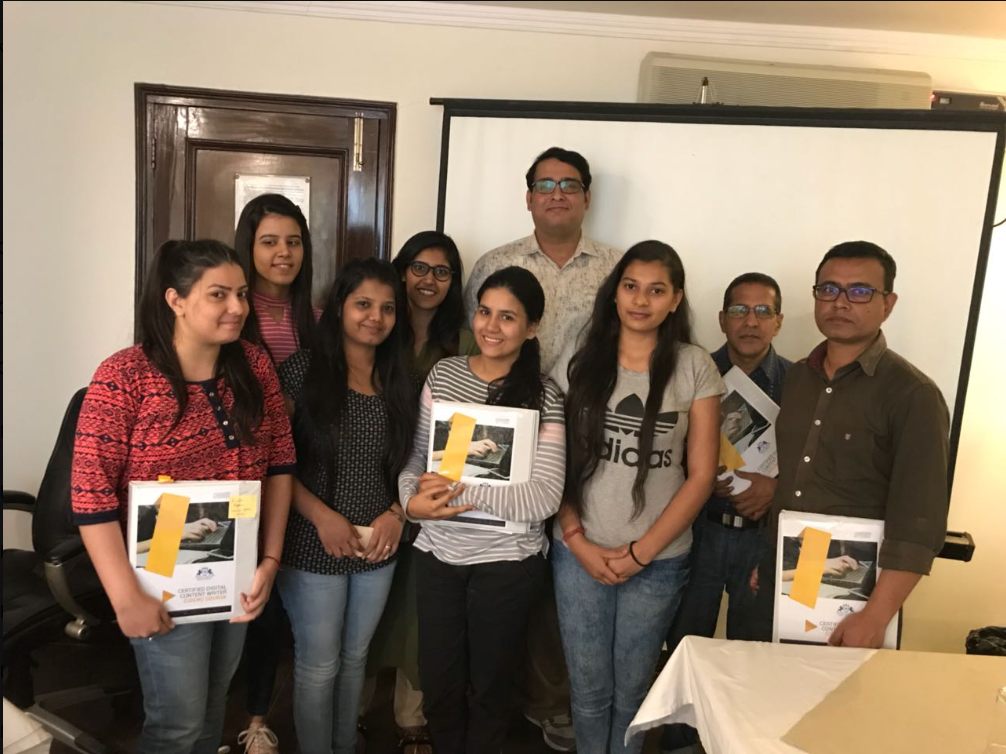
The Eduwatts program for learning Mandarin is available at both the introductory and advanced levels. The program is offered in six different levels based on the HSK system (HSK 1-6). The Master’s Degree in Mandarin Language program is considered a 750+ hour course by Dunster Business School in Switzerland. Through the use of a structured training curriculum and various learning materials, students will be able to improve their grammar, vocabulary, speaking, listening, reading, writing, and understanding of culture.
Key Highlights
- Based on the published Master’s (MS) in Mandarin Language course information:
- 750+ hours of Training: A structured programme covering Mandarin proficiency.
- HSK 1 to HSK 6: Learning pathways across beginner to advanced levels.
- Live Interactive Training: Real-time classes with instructors.
- Advanced Grammar and Vocabulary: Strengthen your ability to use the language accurately and express yourself more effectively.
- Reading and interpretation: Learn to understand complex Mandarin texts.
- Professional writing: Build skills for academic and professional communication.
- Speaking and listening: Practise conversations and improve comprehension.
- The study of the cultural and literary characteristics of the Mandarin language.
- E-learning portal: Access online learning resources and AI-powered exercises.
- Certification: The program page states that the awarding body is Dunster Business School in Switzerland, depending on whether it meets the evaluation criteria.
- The course page has a list of hands-on internship experiences as well as a link to a premium job portal.
Ready to Start Learning Chinese?
Choose the best Mandarin Language Course for you that aligns with your career objectives.
30 Days Daily Chinese Words Study and Practice Plan
| Day | Learning Focus | Daily Study and Practice |
| 1 | Greetings | Learn 你好, 谢谢, 再见, and 不客气. |
| 2 | Pronouns | Practise 我, 你, 他, 她, and 我们. |
| 3 | Numbers | Learn Chinese numbers from 一 to 十. |
| 4 | Family | Learn words for parents, siblings, children, and friends. |
| 5 | Common verbs | Practise 吃, 喝, 去, 来, and 看. |
| 6 | Food vocabulary | Learn words for water, tea, rice, noodles, and fruit. |
| 7 | Weekly revision | Revise Days 1–6 and write ten simple sentences. |
| 8 | Everyday objects | Learn book, phone, computer, table, and chair. |
| 9 | Places | Practise school, company, hospital, shop, and restaurant. |
| 10 | Time expressions | Learn today, tomorrow, yesterday, morning, and evening. |
| 11 | Likes and dislikes | Practise sentences using 喜欢 and 不喜欢. |
| 12 | Questions | Learn 什么, 谁, 哪里, and 为什么. |
| 13 | Polite expressions | Practise please, sorry, thank you, and no problem. |
| 14 | Weekly revision | Create a short dialogue using 15–20 words. |
| 15 | Pinyin basics | Learn common initials and finals. |
NEXT 15 Days Plan
| Day | Learning Focus | Daily Study and Practice |
| 16 | Mandarin tones | Practise all four tones and the neutral tone. |
| 17 | Sentence structure | Build five Subject–Verb–Object sentences. |
| 18 | Negative sentences | Practise using 不 in simple statements. |
| 19 | Yes-or-no questions | Turn five statements into questions using 吗. |
| 20 | Speaking practice | Introduce yourself in Mandarin. |
| 21 | Weekly revision | Record a one-minute self-introduction. |
| 22 | Listening | Listen to a beginner Mandarin dialogue and note familiar words. |
| 23 | Reading | Read 15–20 simple Chinese words aloud. |
| 24 | Writing | Practise writing 15 Chinese characters with correct stroke order. |
| 25 | Daily routine | Describe your morning and evening in Mandarin. |
| 26 | Food conversation | Practise ordering a drink and a meal. |
| 27 | Asking for help | Practise asking for directions and assistance. |
| 28 | Vocabulary revision | Revise all learned words using flashcards. |
| 29 | Speaking challenge | Speak for two minutes using familiar Chinese phrases. |
| 30 | Final practice | Write a short introduction and hold a simple practice conversation. |
Set up a fixed study schedule that allows you to recall vocabulary and apply it in your daily life. Allocate 20-30 minutes each day to study, practice pronunciation, write, and review. Use this 30-day program to advance from using simple words to speaking in simple terms.
Daily routine idea: Use 10 minutes to learn new words, 5 minutes to practice how you say them (pronunciation), 5 minutes practising writing characters, and 5-10 minutes going over what you have written (revising sentences). You may want to change the time spent on each area depending on your daily routine.
Conclusion
Learning Chinese words will help you take your first steps toward learning the language and speaking with confidence. Learn some basic vocabulary such as common everyday words, greetings, numbers, and basic sentence patterns. Practice Pinyin, hear native speakers talk, and review what you’ve learned on a regular basis. Students and workers alike can make steady progress when they establish a routine and use Mandarin in real-life situations.
Talk to a Chinese Expert
Contact us now to begin learning Mandarin! Build your vocabulary daily, practice regularly, and get ready for the world stage with Eduwatts.
FAQs
Ans. Aim to learn 10-15 useful words each day. This should help you reach a goal of learning 300-500 familiar words at the beginning. Focus on greetings, numbers, pronouns, common verbs and everyday expression vocabulary.
Ans. Chinese refers to a collection of closely related languages and forms. The largest of these is called Mandarin, which also serves as the international model for teaching.
Ans. You may start your study of the Chinese language using both Pinyin and audio lessons. As you progress, you will notice that studying the written form of the Chinese language, i.e., Chinese characters, enhances your ability to read the language, identify words in the language, and generally enhance your understanding of the language.
Ans. While the use of Chinese characters represents written language (i.e., words or parts thereof), the use of Pinyin provides a representation of spoken Mandarin through the use of Roman letters and tone markings, as used by those who are learning to speak Mandarin.
Ans. The most common form of Mandarin greeting is “Nǐ hǎo,” which translates to “hello.” If you are speaking with someone who has a higher status than yourself, then use “Nín hǎo,” which is the polite equivalent of “hello” used in more formal settings.
Ready to Start Your Learning Journey?
Join thousands of learners and build your future with expert-led courses and 100% practical training.

Pallavi Saxena
With over 15+ years of experience, I am working as an SEO Content Creator in different domains. My expertise spans a diverse range of industries, including technology, AI, Data Science, Languages, Healthcare, manufacturing, finance and more. As an SEO blog writer, I pen down words that give updated information as per industry innovation, upgradation and technological advancements. My passion lies in crafting compelling content that engages and motivates my readers.
View all articlesRelated Posts
100+ Common Chinese Characters Every Beginner Should Learn
 Pallavi SaxenaOct 28, 2026